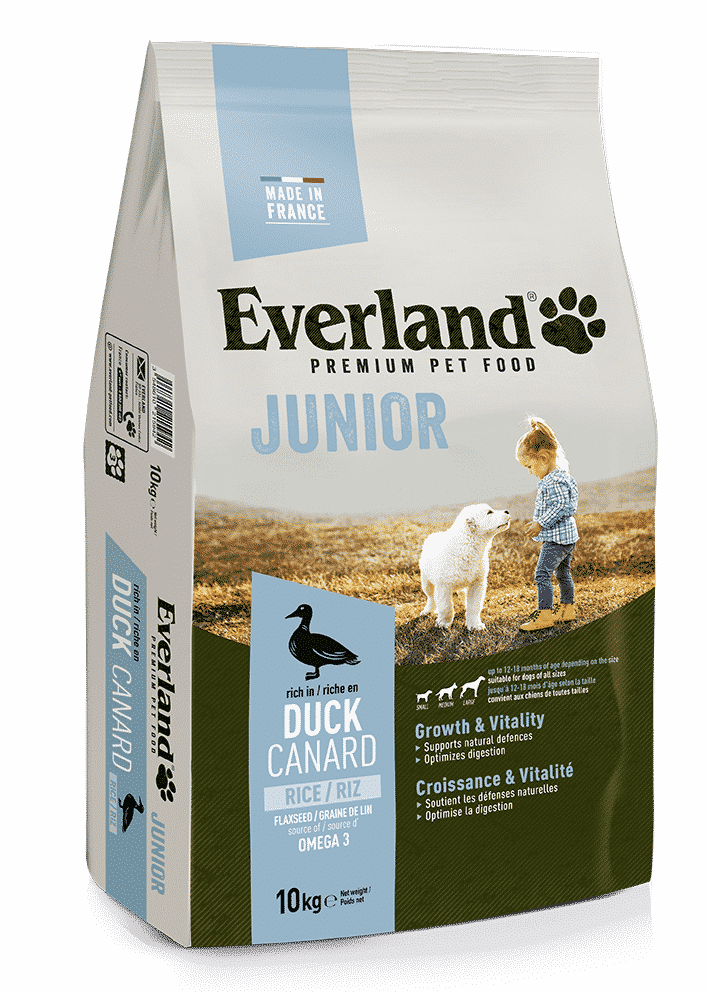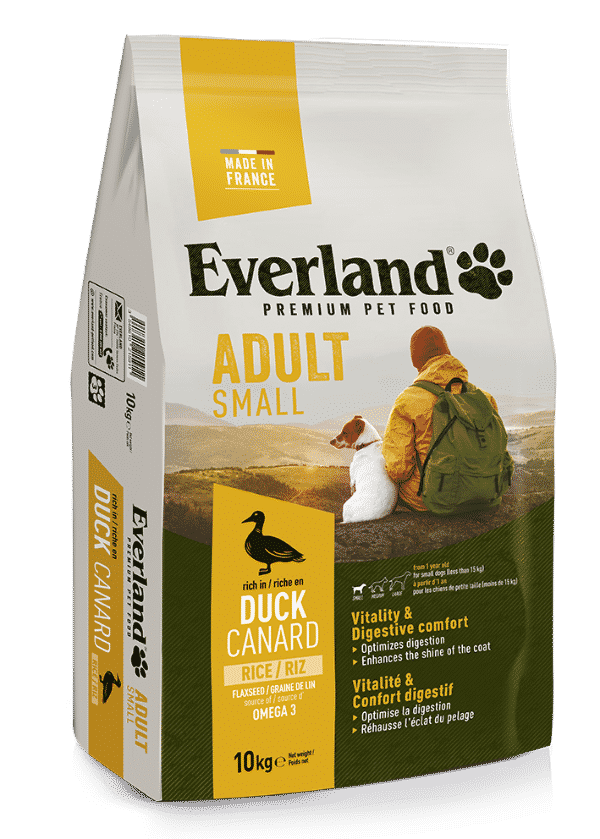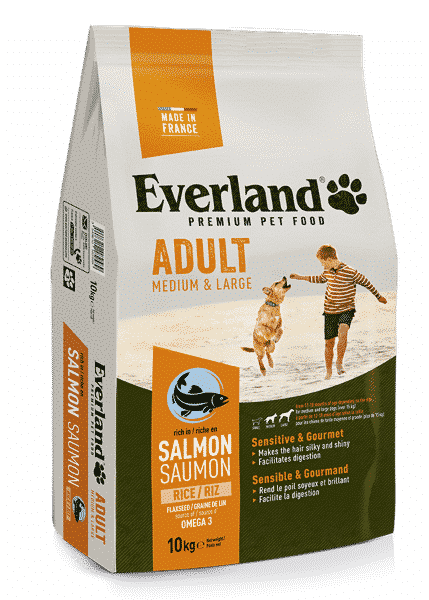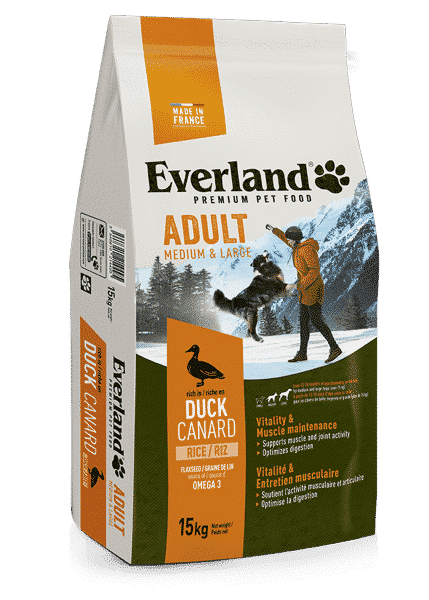

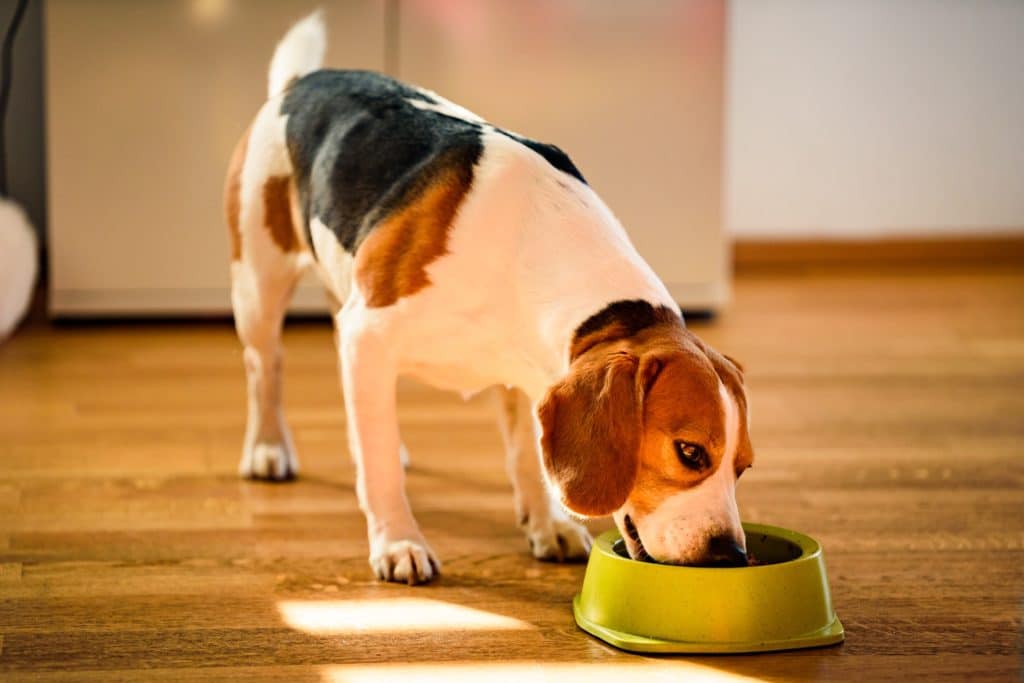
Some dogs are real stomachs on legs. They spend their time begging for food or trying to steal it, even when they’re very well fed. Is your dog a real glutton? Is eating all your dog thinks about? Discover our tips for regulating your dog’s appetite and helping him to concentrate on something other than food.
All your dog thinks about is eating: his instinct is to ask for food
Dogs tend to be hungry all the time: their instinct is to gobble up as much food as possible. It’s a natural and ancestral behavior: when they were wild, dogs could never predict whether food would run out. As a result, they ate as much as they could when the opportunity presented itself. This behavior has remained deeply rooted in our pets, who rarely refuse food if they have the opportunity to eat.
Your dog isn’t eating enough
Your dog may be obsessed with food because he’s hungry. It’s important to calculate your dog’s food intake carefully. Remember to review this calculation throughout your dog’s life, according to :
- His age: a puppy eats less than an adult dog, but he needs small kibbles, which are easier to eat. Make sure you always offer your dog the right format (adapted to his age and breed) and the right quantity of kibble.
- His activity : sporting dogs, who move around a lot, need to eat more than sedentary dogs. You need to offer them a larger ration, but also make sure you provide them with sufficiently nutritious food.
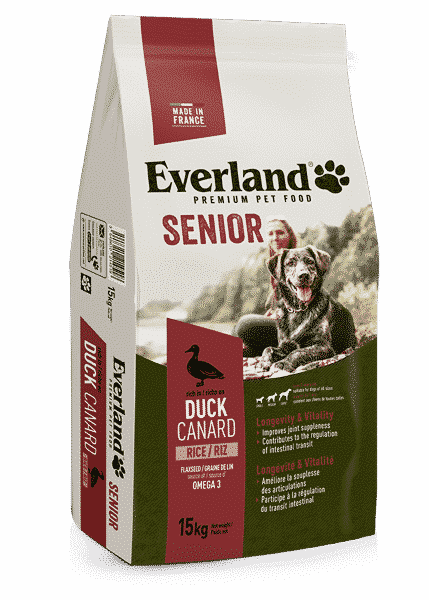
- Chewing ability: older dogs may have difficulty eating their kibbles. Wet foods, such as dog food, are easier to eat. If your dog can’t chew his kibble properly, he may not eat enough and may feel hungry all the time.
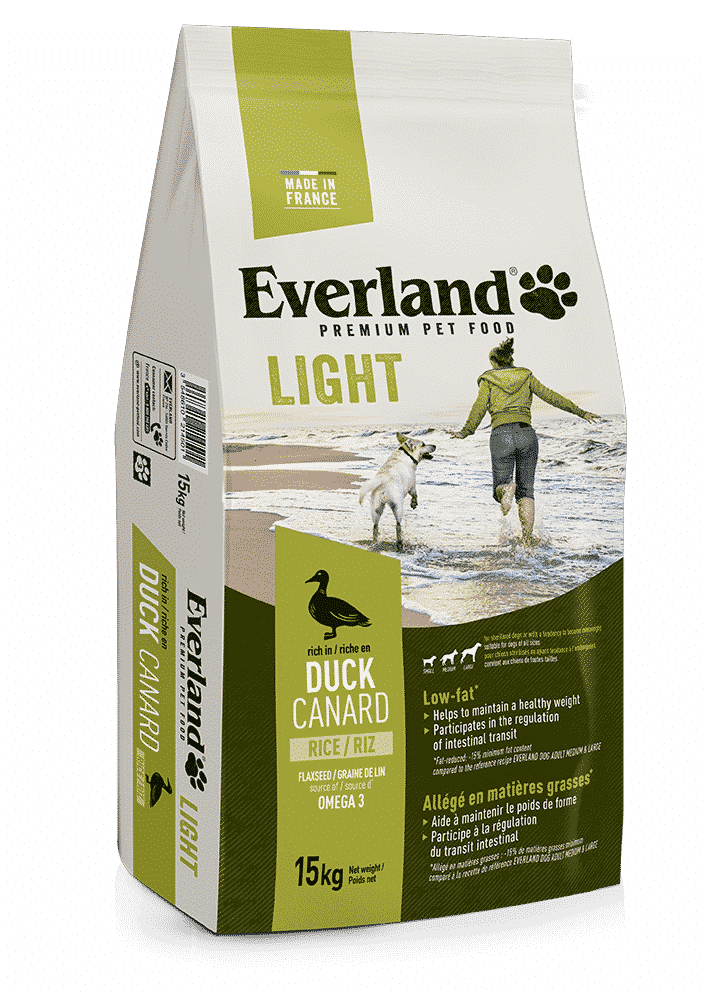
Be sure to feed your dog kibbles rich in fiber and protein. These foods promote a feeling of fullness and reduce cravings. If your dog eats too quickly, you can also give him an anti-glutton bowl, which will help him to eat more slowly.
Your dog is stressed and reassures himself by eating.
Stressed dogs can show behavioral problems, including increased or decreased appetite. Is your dog’s only thought food, even though you’ve just moved house, welcomed a baby or a new pet? Has your work schedule changed? Your dog is undoubtedly under stress, and is showing his anxiety through a more ferocious appetite. Eating reassures him, because it’s a routine for him. When in doubt, consult a vet: stress symptoms can be mistaken for those of a parasitic infestation or illness.
Your dog has parasites
Dogs with intestinal worms like tapeworms don’t assimilate nutrients well. They tend to have a bigger appetite: eating normally no longer meets their energy needs. Dogs with worms aren’t just hungrier than usual. They lose weight, may be less energetic and shy away from activities they normally enjoy. If the parasitic infestation takes hold, they may experience diarrhea and even bloody stools. It’s very important to deworm your adult dog twice a year if you live in an apartment. If you have a garden or your dog goes out a lot, we recommend worming him four times a year, i.e. every 3 months.
Your dog is bored and compensates by eating
Dogs may ask for food out of boredom. Our pets need to be busy to concentrate on something other than food. At the end of the day, we all work in the same way: haven’t you ever wanted a snack when you’ve got nothing to do? It’s the same for your companion. Take your dog out several times a day, for at least 1 hour. At home, offer him toys to chew on and play with him to keep him occupied. This will distract him from the food and help him stay on top of things.
Your dog is greedy
Is your dog always asking to eat at the table? Does he regularly head for cupboards containing food? Does he bolt from anywhere as soon as he hears a crumpled food wrapper? Your dog may simply be a glutton. If your companion is well fed, well occupied and there have been no changes in his routine, he’s probably just greedy. We recommend adding vegetables such as zucchini or steamed green beans to his bowl. These foods will help him feel full and won’t make him put on weight.
You’ve changed dog food
A change in your pet’s diet may prompt him to ask for more food. When your dog’s body changes from wet food to kibble or vice versa, it needs time to adapt. Certain foods are digested more quickly by your dog, which may lead him to seek out more food. Don’t hesitate to seek veterinary advice before making any dietary changes.
Your dog only thinks about eating because he’s sick
Some illnesses, such as type II diabetes, chronic bowel disease and polyphagia, increase appetite and thirst. If your dog asks to eat more than usual and has other symptoms, take him to the vet without delay. It’s important to have a check-up to find out whether your pet is ill or not, and to act accordingly.
Now you know all the reasons why your dog may only think about eating. As you can see, there are many reasons for an increase in appetite , some of which can lead to similar symptoms. If in doubt, consult an animal health professional.